
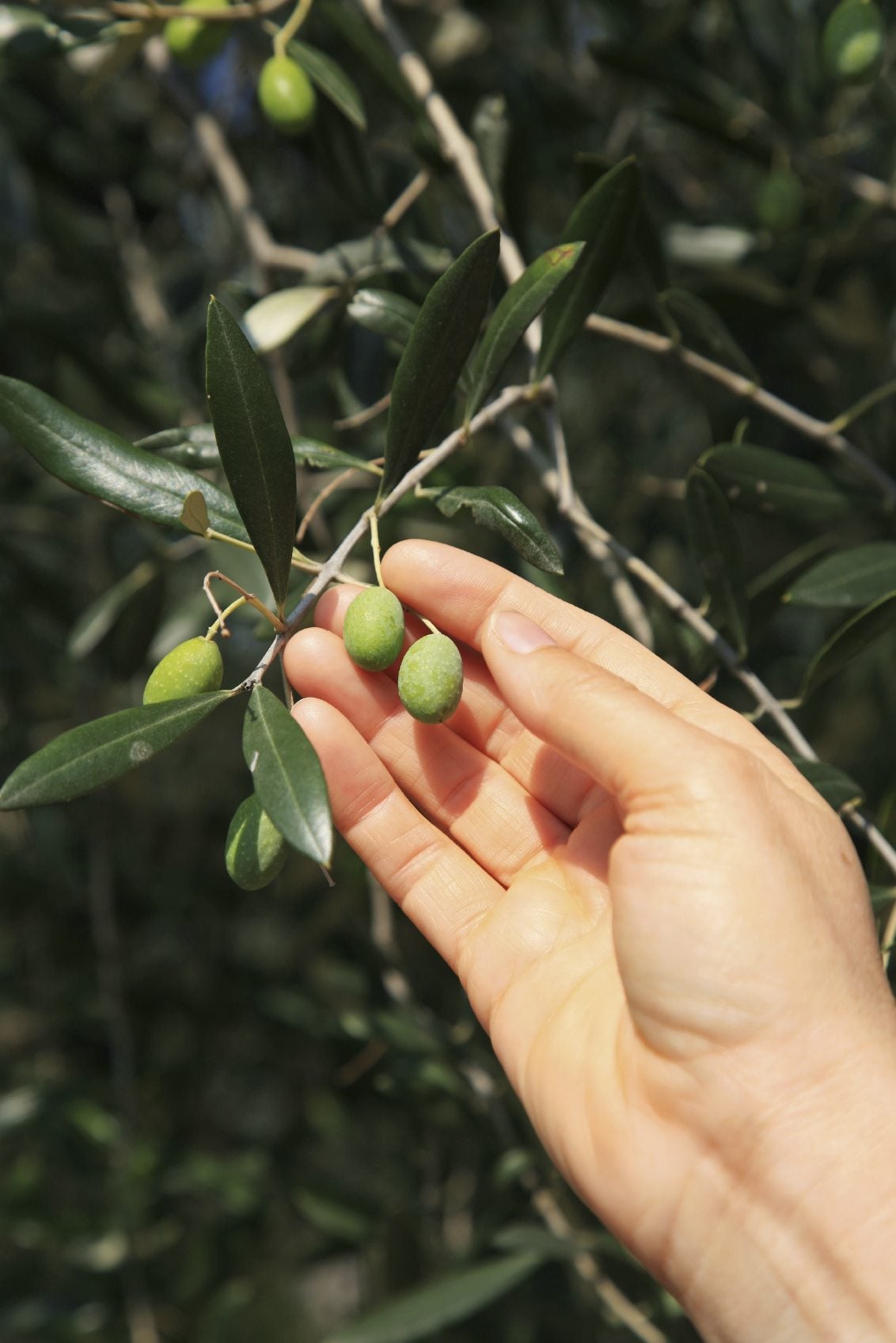
How to choose the right harvest time, which collection method suits your crop, and how to maximize the quality and quantity of olive oil
The olive harvest is the culmination of the olive-growing year. It is not just the collection of the fruit, but the process that determines the producer’s final income and the productive status of the olive grove for the next year. A wrong decision on the harvest time or poor application of the collection method can degrade the quality of the olive oil, reduce its commercial value, and cause damage to the plant capital.
As agronomists, we are often called upon to answer the “quality or quantity” dilemma. However, the answer lies in the physiology of the tree. Below we analyze how the right moment and the method of harvesting determine crop performance.
The myth of olive oil increase and actual ripening
Many producers delay the harvest with the belief that “the longer the olive stays on the tree, the more the oil increases”. This perception is wrong and often damaging.
Oil formation (oil biosynthesis) begins with the appearance of the first purple spots (color change) and peaks when the fruit fully acquires the characteristic color of the variety. From the moment there are no green fruits on the tree, the quantity of oil stabilizes. The apparent increase in yield (more oil per kilo of fruit) observed in later stages is due exclusively to the loss of moisture (dehydration) of the fruit and not to the production of new oil. Therefore, in reality, the oil yield per land area remains the same, but the quality degrades.
Olive harvest time: Early vs Late
The olive harvest time must be decided based on the final product we are targeting, always taking into account the health of the tree.
1. Early Harvest (Agoureleo / Green Oil)
It takes place when there is still a significant percentage of green fruit.
- Quality: Maximum concentration of polyphenols, intense aromas, fruity taste, high nutritional and commercial value.
- Tree Physiology: The tree is relieved of the load early, has time to recover strength, and the phenomenon of alternate bearing (it does not “lose” the next year) is drastically reduced.
- Cost: Greater detachment force is required, so perhaps increased labor costs or more powerful machinery.
2. Late Harvest (Full Ripening – Over-ripening)
Quality: The olive oil loses its organoleptic characteristics, becomes “flatter” in taste, and acidity increases.
Risks:
- Fungal attacks: The ripe fruit is vulnerable to gloeosporium (especially with high humidity), leading to rotting and quality destruction.
- Fruit drop: Increased production loss from winds.
- Tree Exhaustion: The tree exhausts its nutrient reserves, resulting in reduced or zero fruiting the next season.
The agronomic recommendation: For the production of superior quality olive oil, harvesting is recommended to start 10–20 days before full ripening. The minimal loss in olive oil quantity is offset by the higher selling price and the stable production of the next year.
When to harvest olives for oil-producing and table varieties
To determine the exact moment of harvest, you must monitor the following:
For Oil-Producing Varieties:
- Resistance to detachment: It must decrease, but not to the point where the fruit falls on its own.
- Coloration: The percentage of green/purple/black fruits.
- Weather Conditions: In case of a forecast of frost or prolonged rains, harvesting must be expedited to avoid quality degradation.
For Table Olives:
- Green: Harvest when the fruit has reached final size, but before color change begins (usually Sept-Oct).
- Black: Harvest at the stage of full coloration, but with the flesh still firm (not soft), so that it withstands processing.
Harvesting methods: Impact on olive grove health
The choice of collection method concerns not only speed (cost) but also the protection of the tree from injuries that act as entry gates for pathogens.
Mechanical Harvesting (Vibrators – Beaters)
It is necessary for reducing costs, especially in large holdings. However, incorrect use (excessive intensity, hitting branches instead of fruiting organs) causes wounds.
- Risk: Wounds from blows favor the entry of bacteria (olive knot) and fungi.
- Treatment: Immediately after mechanical harvesting, spraying with a copper formulation is mandatory for disinfection and healing of wounds.
Manual Harvesting
A milder method, ideal for table varieties where fruit integrity is required. Bruising on the fruit and injuries to the shoots are avoided, but the cost is significantly higher.
Harvesting as an investment: Quality, Health, and Future Yield
Harvesting is not just a routine process, but a strategic choice that directly affects the quality and productivity of the olive grove. The combination of timely harvesting (before over-ripening) and correct collection method ensures:
- High quality of olive oil (low acidity, aromas).
- Reduction of risk from late diseases (Gloeosporium).
- Securing the next year’s production.
Ensogreen: Integrated Olive Grove Management
At Ensogreen we are by your side at every stage, from harvest to the next production, to ensure the quality, quantity, and health of your olive grove.