
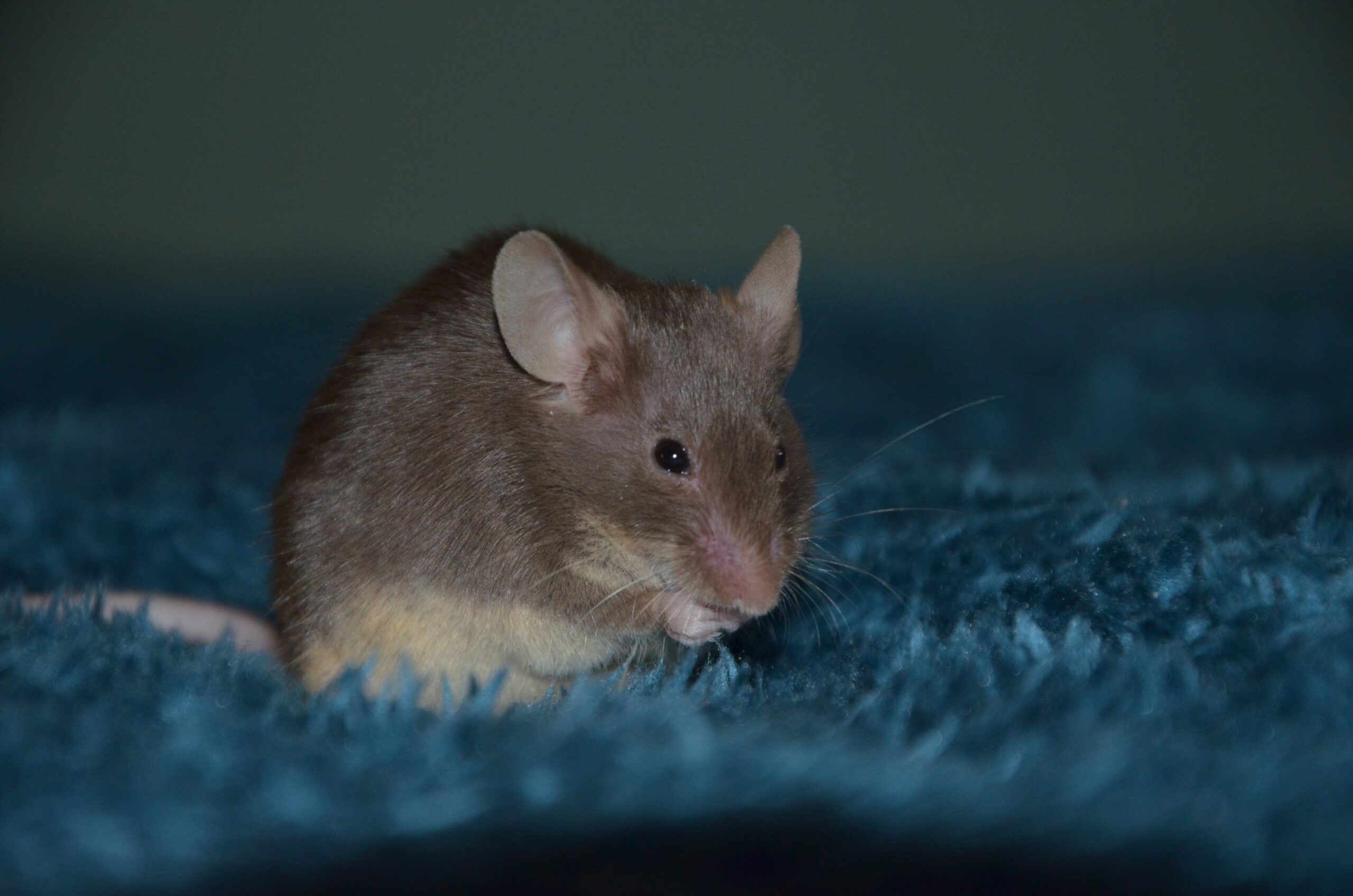
Rodent control in commercial spaces is not merely a matter of hygiene; it is an issue of sustainability. The presence of rodents (mice, rats) poses a direct threat to the reputation, operation, and legal standing of any modern business.
If you operate in the food service and food industry sector, manage logistics warehouses, or run tourist accommodations (Airbnb and hotels), addressing the problem requires strategy. “Half-measures” often lead to an increase in the rodent population, with incalculable costs.
In this article, we analyze how to choose the right partner and which scientific methods are most appropriate for permanently safeguarding your premises.
Risks for Commercial Spaces: Why You Should Not Ignore Any Suspicion of Rodent Presence
Before moving on to the solution, we must understand the scale of the problem. Rodents do not merely cause fear and aesthetic discomfort:
- Public Health Risk: They transmit serious diseases (leptospirosis, salmonella, hantavirus) through droppings and urine.
- Infrastructure Damage: Their need to gnaw leads to damaged wiring, fire hazards, and equipment failures.
- Reputational Damage: A single negative review mentioning a rodent sighting can permanently stigmatize a business.
How to Choose a Rodent Control Company: 4 Critical Criteria
Choosing the partner responsible for the sanitary protection of your commercial space is a decision of responsibility. Beyond price, you must verify the following to ensure legality and effectiveness:
1. License from the Ministry (ΥΠΑΑΤ)
This is the first document you should request. Only companies with an official pest and rodent control license from the Ministry of Rural Development and Food are legally permitted to carry out rodent control services.
2. Scientific Supervision
Rodent control is a science, not simple chemical application. Make sure the company employs a Responsible Scientist. At Ensogreen, every study and application is supervised by a professional Agronomist, who designs the sanitation program based on the specific characteristics of your premises and signs the legally required certificates.
3. Comprehensive Rodent Control File
A reliable professional always provides the complete Rodent Control File and Insect Control documentation. This must include the Technical Report, the layout of bait stations, and the Safety Data Sheets (MSDS) of the formulations. Without this file, you are exposed during any sanitary inspection.
4. Specialization in Your Industry
A restaurant has different needs than an industrial warehouse. Choose a partner with proven experience in the specific requirements of your sector.
Rodent Control in Warehouses and Restaurants
Each commercial space has different requirements. Proper rodent control in warehouses, restaurants, and hotels requires a specialized approach:
- Food Service & Food Industry: Here, tolerance is zero. The application is designed to ensure absolute sanitary protection of your premises, safeguarding product integrity and full compliance with the strictest food safety standards.
- Logistics & Warehouses: Large spaces and continuous goods inflow make warehouses vulnerable. Emphasis is placed on controlling entry points and protecting stored products.
- Hotels & Airbnb: For tourist accommodations, cleanliness is the #1 criterion. Rodent control must be discreet and ensure that guests never come into contact with pests.
The Best Rodent Control Methods for Commercial Spaces
At Ensogreen, we don’t rely on luck. We apply the Integrated Pest Management system (IPM – Integrated Management), combining different techniques for maximum effectiveness and safety.
Our Methodology: IPM (Integrated Management)
1. Network of Secure Bait Stations
This is the most widespread and safest method of external protection.
- How it works: We use special hard-plastic, lockable stations. Inside, next-generation anticoagulant baits are placed.
- The Advantage: The baits remain protected from moisture and—most importantly—are inaccessible to people, pets, or birds. This creates a perimeter “interception zone” around the building.
2. Mechanical Traps and Glue Boards (Chemical-Free)
In sensitive indoor areas (kitchens, food production areas, hotel/Airbnb rooms), the use of chemicals is prohibited or avoided.
- The Solution: We apply multi-capture traps and specialized adhesive surfaces. These allow immediate capture of rodents without the risk of contaminating food or the premises.
3. Rodent Proofing (Site Sealing)
The best method is prevention. Our technicians identify and recommend sealing entry points (holes in masonry, gaps under doors, pipe penetrations) to ensure rodents cannot enter your premises.
Insect and Rodent Control Certificate: Your Guarantee
Upon completion of the service, Ensogreen issues the required rodent and insect control certificate. This document certifies that your business complies with sanitary regulations, is required for HACCP / ISO standards, and serves as your shield in case of inspection by EFET or the Public Health Authority.
Frequently Asked Questions (FAQ)
How often should rodent control be carried out? For most commercial spaces, regular monitoring is required (usually monthly or bi-monthly) to maintain an active protection zone, especially during the autumn months.
Are the formulations dangerous? No, when applications are performed by professionals. The use of secure bait stations eliminates the risk of accidental contact with the bait.
Trust Ensogreen
Protecting your property and reputation requires professionalism. At Ensogreen, with the scientific assurance of our Agronomist, we combine deep knowledge of pest biology with field experience, delivering solutions that respect people and the environment.
Contact us today for rodent control in your commercial space.